
Resources

Interracial and Intercultural Couples: When Cultural or Racial Differences Cause Conflict
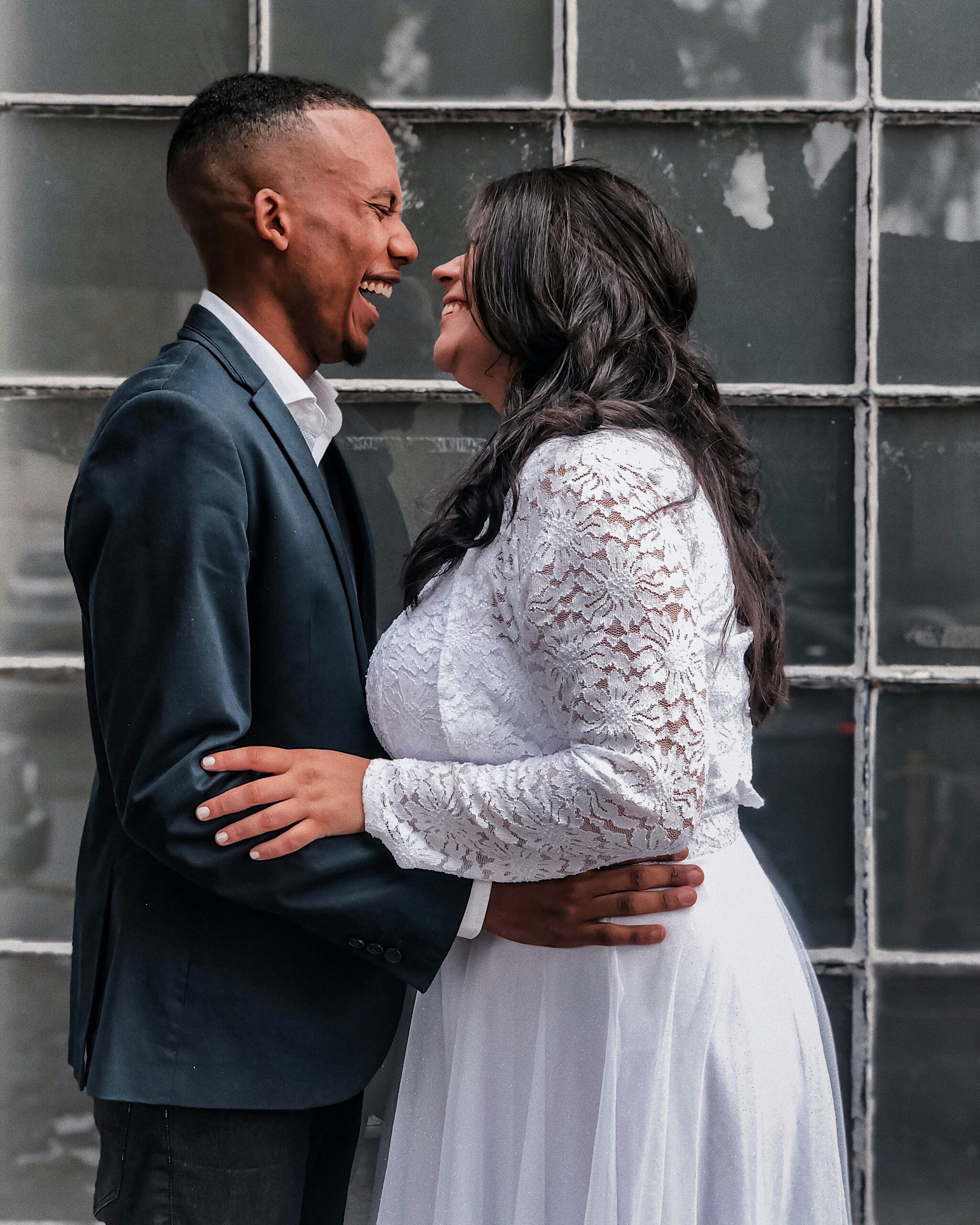
Melbourne is one of the most culturally diverse cities in the world. It’s a place where people from vastly different racial, ethnic, and cultural backgrounds fall in love, build lives together, and navigate the beautiful complexity of bringing two worlds into one relationship.
And sometimes, that complexity becomes a real source of tension.
Maybe it’s about family expectations. What you owe your parents, how much say they have in your decisions, whether they live with you or nearby. Maybe it’s about how conflict is handled, because in one family things were talked through openly, and in the other, difficult things were never spoken about at all. Maybe it’s about gender roles, money, food, religion, or simply a different sense of what home is supposed to feel like.
I’m Jill, a couples therapist in Melbourne. I work with interracial and intercultural couples at Freedom Couple Counselling in Essendon North and Carlton, and online across Victoria. This is some of the work I find most meaningful, because the couples who come in are usually deeply committed to each other and just need help finding a way through.
Why Cultural Differences Can Be So Hard to Talk About
One of the things that makes intercultural conflict particularly tricky is that it’s often hard to name. When you argue about something cultural, how much time you spend with your family of origin, or who makes the financial decisions, or what’s expected of each partner, it can feel like you’re arguing about values. And arguing about values feels more threatening than arguing about logistics, because it touches who you are.
There’s also sometimes a sense that one partner’s cultural norms are being judged or dismissed. That can lead to defensiveness, withdrawal, or a pattern where one partner keeps adapting and quietly builds up resentment.
Counselling gives you a space to untangle all of this. To name what’s cultural, what’s personal, and what’s actually negotiable.
What I See Most Often With Intercultural Couples in Melbourne
Melbourne’s diversity means I work with couples from an enormous range of backgrounds. Some themes come up again and again.
• Family involvement and boundaries. How much influence do each partner’s families have? What does loyalty to family look like? These questions can sit very differently depending on background, and can become a major source of conflict if they aren’t talked through directly.
• Communication styles. In some cultures, directness is valued and conflict is addressed head on. In others, harmony is preserved by not raising difficult things explicitly. When partners have different defaults here, misreads happen constantly, and they accumulate.
• Gender roles and expectations. What a marriage looks like, who earns, who manages the home, who makes decisions, is deeply culturally shaped. When partners have different inherited models, tension is almost inevitable without an honest conversation about what you both actually want.
• Raising children across cultures. For many Melbourne intercultural couples, parenting is where the cultural differences become most acute. Whose language do the children speak? Which traditions do you observe? How do you honour both sides of a child’s heritage without either partner feeling like their culture is the one being left behind?
• The majority culture dynamic. In Australia, one partner is often more at home culturally than the other. That asymmetry, who feels like a guest and who feels like the default, can create dynamics that are worth naming.
What Counselling Can Do
I’m not going to tell you which culture’s approach is right. That’s not my role, and it’s not how this works. What I can do is help you both:
• Understand where each other’s instincts and expectations actually come from
• Separate what’s cultural from what’s personal, because they aren’t always the same thing
• Find a way to talk about these things without it becoming a referendum on whose background is better
• Build something that genuinely honours both of you, rather than one partner constantly adapting
Intercultural couples often have a depth of intentionality about their relationship that is genuinely beautiful. You’ve already chosen each other across difference. Counselling helps you keep doing that, with more clarity and less friction.
What If Our Families Don’t Approve of the Relationship?
This is a painful situation that some intercultural and interfaith couples in Melbourne navigate. The disapproval of a family, or pressure to conform to expectations that conflict with your relationship, adds a layer of stress that can seep into the couple dynamic even when the relationship itself is strong.
This is absolutely something we can explore in counselling. How you manage family pressure together, how you protect your relationship without severing important connections, and how you hold your own sense of identity through all of it are real and important questions.
You Don’t Have to Agree on Everything
I want to say this clearly, because I think it’s easy to come into counselling hoping to resolve cultural differences by finding the right answer. That’s not usually how it works, and it’s not always necessary.
Many intercultural couples find a way to live with real differences, honouring both sides without forcing a single unified approach to everything. What makes that possible is understanding, respect, and the kind of communication that lets you talk about hard things without it becoming a fight. That’s what we work on.
Ready to Talk?
If you’re in Melbourne and navigating cultural or racial differences in your relationship, whether things have become a genuine source of conflict or you just want to build a stronger foundation, I’d love to hear from you.
I work with interracial and intercultural couples at Freedom Couple Counselling in Essendon North and Carlton, and online across Melbourne and throughout Victoria.
You’re welcome to book a session online(https://clientportal.zandahealth.com/clientportal/xffod), or you can reach out through the contact page if you’d prefer a brief chat first.
If you’d like to ask a few questions first, you’re also welcome to start with a free fifteen minute consultation instead.
Two worlds, one relationship. It’s worth the work.


Be the first to comment